For many African-American women, the holiday season can bring more than celebration. It can activate old wounds, amplify grief, and place pressure to show up as “strong” even when exhausted. Trauma never takes a break—and neither does the emotional labor that is often expected of Black women.
Holidays often involve family gatherings, traditions, and expectations that can resurface unresolved trauma, especially for women with histories of loss, family conflict, abuse, or chronic stress. As Black women, we are often conditioned to push through discomfort rather than tend to our own emotional needs. Let us be clear: self-compassion is not a weakness—it is a God-given necessity and a counterbalance to trauma.
1. Redefine “Strength” as Emotional Honesty
Many African-American women have been socialized to equate strength with endurance—remaining composed, capable, and endlessly giving. During the holidays, this belief can lead to emotional suppression and burnout. Coping begins by redefining strength through truth and faith.
- Allow yourself to name difficult emotions without judgment
- Give yourself permission not to be “okay” all of the time
- Practice self-talk that replaces criticism with care
Affirmation:
I am allowed to feel without guilt. My honesty is strength, not failure.
Strength is reflected in how you honor your limits—not in how much you carry alone.
2. Set Boundaries Without Guilt
Trauma often heightens sensitivity to environments where safety, respect, or control have been compromised. Holiday gatherings can unintentionally recreate those dynamics. Healthy coping may include:
- Limiting time at triggering events
- Declining invitations that compromise emotional or spiritual peace
- Creating exit plans or keeping trusted supports close
- Choosing smaller, quieter celebrations—or none at all
Affirmation:
My boundaries protect the peace God desires for me.
Boundaries are not punishments; they are acts of wisdom and self-preservation.
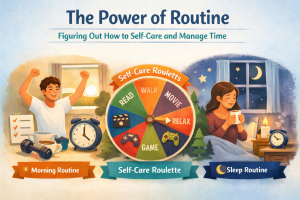
3. Create Grounding Rituals That Center You
Rather than forcing yourself into traditions that feel heavy or performative, consider creating personal rituals that promote grounding, regulation, and connection with God. These rituals can be small, private, and powerful, restoring a sense of agency often disrupted by trauma.
These may include:
- Morning journaling or prayer before the day begins
- Taking intentional breaks to step outside and breathe
- Listening to music or worship that soothes your nervous system
- Honoring ancestors or loved ones in ways that feel healing—not obligatory
Affirmation:
Stillness is sacred. God meets me in rest.
A Gentle Reminder
You are not required to perform joy, host peace, or heal others at your own expense. God does not ask you to abandon yourself to prove love or faithfulness. Choosing yourself during the holidays is not selfish—it is a step toward healing.
This season, give yourself the gift of permission:
permission to rest, to feel, and to choose yourself—knowing that God walks with you in every moment.
Final Affirmation:
I am worthy of rest. I am held by God. I do not have to earn peace.
By: Crystal Raullerson, LMHC