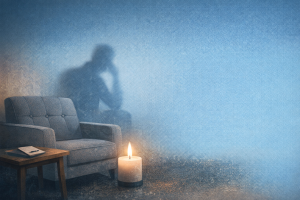
People respond to stress sometimes in ways they do not even understand. A small situation can spiral out of control, anger, tears, shutdown or dissociation. That does not mean there is “something wrong” with you. So often these reactions are your nervous system trying to keep you safe.
Things like trauma, chronic stress, childhood experiences, or painful relationships can change how the brain and body react to life challenges. When we feel safe and regulated, we are inside what is called the “window of tolerance.” This is a state where we can think clearly, manage our emotions and respond rather than react. But if stress is too great, we may go outside of that window. Trauma or painful past experiences can narrow the window of tolerance, leaving us more prone to reacting and experiencing frequent mood swings.
Some people experience a state of hyperarousal that might manifest as anxiety, racing thoughts, irritability, anger, sleep problems, or a constant sense of being on edge. Some may collapse into hypoarousal, which may feel like numbness, low energy, sadness, disconnection, or lack of motivation.
Therefore, it is important to understand that these reactions are not personal failures. They often are learned survival responses. When the person understands how trauma affects the brain, emotions, thoughts, and relationships, shame can decrease and hope can grow.
Healing from trauma usually occurs in stages. First of all, it is important to feel safe, to learn how to calm the body, and to understand what happens when emotions feel too overwhelming. As the person begins to feel more supported and grounded over time, looking at painful memories may become less daunting. Deep breathing, grounding, mindfulness, movement, self-compassion and supportive relationships, as well as identify painful beliefs and begin to change unhelpful thoughts can help expand the window of tolerance over time.
ART can help in this part of the healing process. It provides a gentle and structured way to work with difficult memories, lessen the emotional pain that accompanies them, and help the person feel more at peace when recalling what happened. Those memories fade in intensity, and the person can feel more present, more in control, and better able to respond to life with calm and clarity.
ART helps the person to process painful memories in a new way using eye movements and other guided strategies to help reduce the emotional intensity of difficult experiences. The aim is not to forget, but to help the brain store it in a less painful and more manageable way.
The purpose is not to erase the memory of what happened. The person will remember the event, but the emotional power of the memory can diminish. ART can help with trauma and PTSD. It can also aid in the treatment of anxiety, phobias, depression, relationship codependency patterns and other emotional struggles.
If you feel stuck in old pain or emotional responses that are proving difficult to manage, ART could be another treatment option to explore with your therapist. Healing is possible, and you do not have to walk through it alone.